How to Choose the Right Wholesale Lingerie and Sleepwear Supplier for Higher Profit Margins
In the dynamic and highly competitive intimate apparel market, a retailer’s success is rarely determined solely by storefront marketing or customer acquisition strategies. Behind every thriving boutique or e-commerce brand lies an invisible yet foundational engine: the supply chain. Choosing the right wholesale supplier is the single most critical decision a business owner can make. In an industry where fit, fabric quality, and precise sizing directly dictate whether an item sells out or ends up as an unreturnable loss, your supplier is either your greatest asset or your biggest operational bottleneck.

As the retail landscape evolves, profit margins are under constant pressure from rising operational costs and price-war volatility. To protect and expand your margins, you must move away from transactional, low-quality commodity sourcing and instead forge partnerships with elite
1. The True Cost of Sourcing: Beyond the Unit Price
When evaluating a wholesale supplier, the initial instinct for many new retailers is to look strictly at the unit price. The calculation often stops at finding the absolute lowest cost per item. However, experienced entrepreneurs know that a low unit price is entirely meaningless if the product suffers from poor craftsmanship, high return rates, or prolonged shipping delays.
True margin optimization requires analyzing the Total Cost of Ownership (TCO):
Inventory Holding Costs: Suppliers who enforce excessively high Minimum Order Quantities (MOQs) force you to tie up vital working capital in slow-moving stock.
Return Logistics and Hygiene Regulations: Because intimate apparel faces strict hygiene laws, returned items often cannot be resold. A supplier whose products suffer from inconsistent sizing will inadvertently hemorrhage your profits through unrecoverable returns.
Replenishment Velocity: A cheap supplier who takes 90 days to restock leaves you out of stock during peak demand, forfeiting valuable revenue.
By partnering with manufacturers who prioritize structural integrity and rigorous quality control, you eliminate these hidden profit leaks before they start.
2. Core Sourcing: Securing High-Velocity Staples
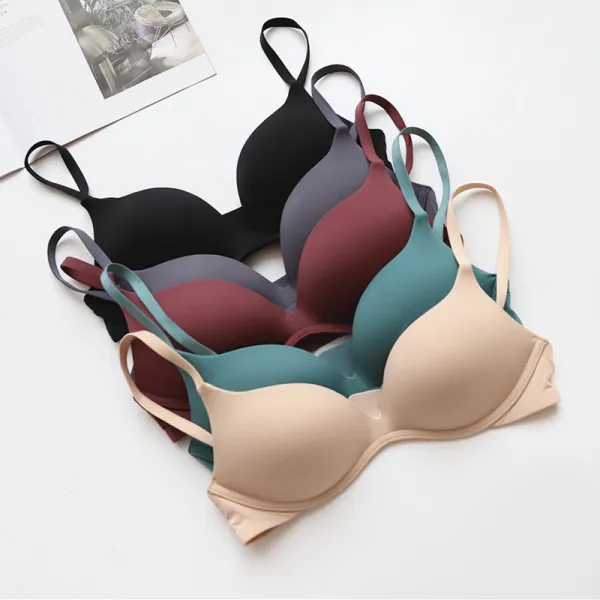
Every profitable retail catalog must be anchored by a reliable foundation of daily essentials. These are the staple items that consumers purchase consistently throughout the year, independent of fleeting fashion trends or seasonal shifts.
When sourcing foundational items such as daily support garments, volume economics play a critical role. By procuring
Furthermore, pairing these foundational garments with high-turnover daily wear items—such as sourcing
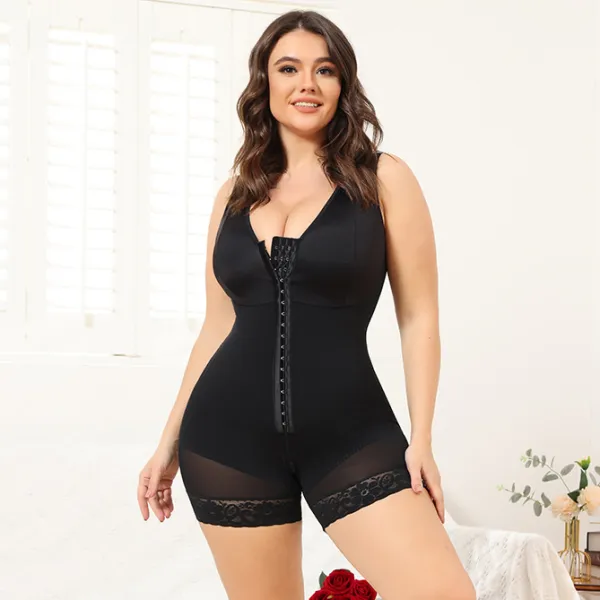
3. Expanding into High-Value Categories: Shapewear and Inclusivity
Beyond basic foundational wear, modern consumers demand versatility and comprehensive sizing options. Retailers who limit their catalogs to standard sizes and basic silhouettes miss out on some of the most lucrative segments of the intimate apparel market.
The shapewear market represents a powerful margin-expander when approached with strategic clarity. Consumers frequently seek functional smoothing and sculpting garments for special events, social gatherings, and professional wear. By integrating
Simultaneously, addressing the severe underserved demand in the plus-size market is one of the most reliable ways to secure unwavering brand loyalty. Traditional mass-market retailers often treat larger sizing as an afterthought, utilizing poor grading techniques that compromise comfort and support. By curating a dedicated
4. Customization and Personalization: Commanding Premium Margins
In an era dominated by automated mass production, consumers increasingly crave individuality. Competing purely on price is a dangerous race to the bottom that ultimately erodes brand equity. To command premium retail pricing—often 20% to 30% higher than standard market averages—retailers must offer products that cannot be replicated by generic competitors.
The integration of bespoke solutions has become increasingly accessible for independent and mid-sized retailers through advanced supply chain networks. Offering
5. A Practical Vetting Checklist for Selecting Your Supplier
To ensure you choose a partner capable of supporting your long-term growth and margin targets, apply this rigorous evaluation checklist:
Evaluate MOQ Flexibility: Look for suppliers who offer scalable minimums—low MOQs when you are testing new trends or launching a private label line, with seamless scaling into bulk pricing once an item proves its market demand.
Assess Quality Assurance Standards: Request physical samples before placing large orders. Examine the stretch recovery of the elastic, the softness of the fabric lining, and the durability of the hardware.
Analyze Data Transparency: The best suppliers provide high-resolution digital assets, precise material composition breakdowns, and detailed size conversion charts to help you minimize customer friction on your product pages.
Test Communication and Lead Times: Send a test inquiry and measure their response time. A responsive supplier with agile fulfillment capabilities is vital for maintaining steady inventory velocity.
6. Building a Sustainable Future Through Smart Sourcing
Choosing the right wholesale lingerie and sleepwear supplier is not merely an operational task; it is the strategic cornerstone of your retail business. By prioritizing suppliers who offer superior craftsmanship, robust core essentials, inclusive sizing, and innovative customization options, you protect your profit margins from the volatility of the modern market.
Audit your current supplier relationships today, demand precision and agility from your manufacturing partners, and position your brand as a destination for quality, comfort, and individuality. Your bottom line will reflect the power of intentional, intelligent sourcing.


Comments
Post a Comment