Current Trends in Wholesale Shoe Market: Insights for Retailers
The wholesale shoe market is constantly evolving, driven by changing consumer preferences, technological advancements, and global economic factors. For retailers, staying informed about these trends is crucial for making informed purchasing decisions and maintaining a competitive edge. By understanding the current landscape of the wholesale shoe market, retailers can better align their inventory with consumer demands and capitalize on emerging opportunities.
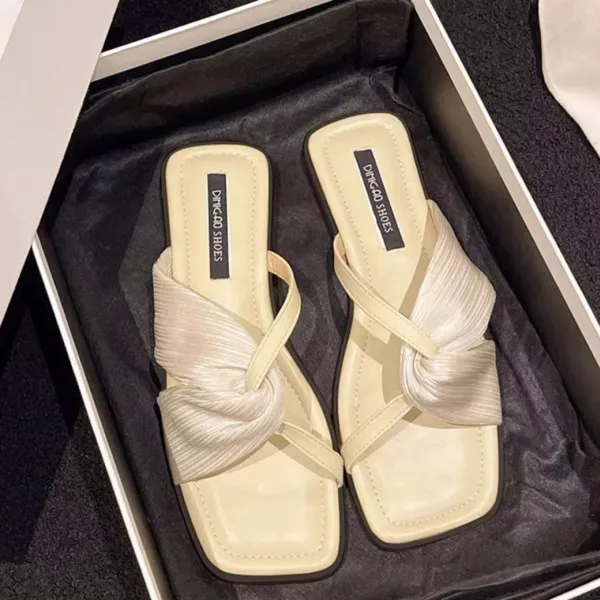
This guide explores the latest trends in the wholesale shoe market, providing valuable insights for retailers looking to optimize their product offerings and stay ahead of the curve. For a wide selection of wholesale shoes that reflect current market trends, explore the extensive collection available at wholesale shoes.
Key Market Trends in Wholesale Shoes
1. Sustainability and Eco-friendly Materials
Sustainability has become a dominant trend in the wholesale shoe market, with consumers increasingly prioritizing environmentally friendly products. This shift is driving changes throughout the supply chain, from materials sourcing to manufacturing processes.
Eco-friendly materials: Demand for shoes made from recycled materials, organic cotton, and plant-based alternatives is growing
Ethical production: Consumers are increasingly concerned about labor practices and supply chain transparency
Circular economy: Brands are exploring take-back programs and recycled materials to reduce waste
Carbon footprint: Retailers are seeking suppliers with lower environmental impact
For categories like wholesale sneakers, sustainable options are particularly popular as athletic wear consumers often prioritize environmental responsibility.
2. Digital Transformation and E-commerce
The wholesale shoe market is experiencing significant digital transformation, with e-commerce playing an increasingly important role in how retailers source and sell products.
Online wholesale platforms: More retailers are using digital platforms to source products directly from suppliers
Virtual showrooms: Digital showcases allow retailers to view and select products without physical samples
Data-driven decision making: Retailers are using sales data and market insights to inform purchasing decisions
Omnichannel integration: Wholesale suppliers are offering seamless integration with retailer e-commerce platforms
3. Comfort and Functionality
Comfort has become a top priority for consumers, driving demand for shoes that combine style with practicality and support.
Athleisure trend: The blurring of athletic and casual footwear continues to influence market demand
Supportive features: Orthopedic support, cushioning, and ergonomic designs are increasingly important
Versatility: Shoes that can transition from work to casual settings are in high demand
Weather-resistant options: Functional features like waterproofing and insulation are gaining popularity
4. Personalization and Customization
Consumers are increasingly seeking personalized products that reflect their individual style and preferences, creating new opportunities in the wholesale shoe market.
Customizable options: Wholesale suppliers are offering more opportunities for retailers to offer personalized products
Made-to-order: Some suppliers are exploring on-demand production to reduce waste and offer unique options
Personalized fit: Technologies like 3D foot scanning are making personalized fit more accessible
Bespoke services: Higher-end wholesale suppliers are offering customization services for retailers
5. Direct-to-Consumer (DTC) Influences
The rise of direct-to-consumer brands is influencing the wholesale shoe market, as traditional retailers adapt to changing consumer expectations.
Brand transparency: Consumers expect more information about product origins and manufacturing processes
Direct relationships: Some wholesalers are developing closer relationships with end consumers
Marketplace integration: Wholesale platforms are increasingly functioning as marketplaces connecting retailers with consumers
DTC-inspired packaging: Wholesale products are adopting the premium packaging typically associated with DTC brands
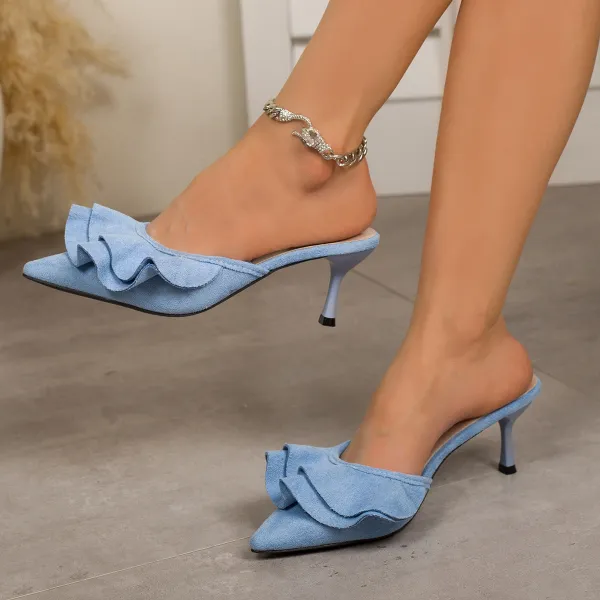
For categories like wholesale women high heel products, DTC trends are driving demand for more distinctive designs and premium packaging.
Regional Market Insights
North American Market
Sneaker dominance: Athletic footwear continues to lead the market, with performance and lifestyle sneakers driving sales
Sustainable preferences: North American consumers are particularly interested in eco-friendly footwear options
Digital adoption: E-commerce penetration is high, with retailers increasingly sourcing through online platforms
Price sensitivity: Despite economic concerns, consumers are willing to pay premium prices for quality and sustainability
European Market
Heritage brands: European consumers value traditional craftsmanship and heritage brands
Sustainable leadership: Europe is at the forefront of sustainable footwear innovation
Premium segment growth: The luxury and premium segments are growing faster than mass market
Urban casual: Stylish, comfortable urban footwear is particularly popular
Asian Market
Rapid growth: The Asian wholesale shoe market is expanding at a faster rate than other regions
Technology integration: Smart footwear and tech-enabled features are gaining popularity
Youth influence: Young consumers are driving trends in Asian markets
Value-conscious: Price sensitivity remains important, with consumers seeking value-for-money options
Emerging Markets
Infrastructure challenges: Logistics and distribution remain key challenges in emerging markets
Growing middle class: Expanding middle-class populations are driving demand for quality footwear
Local preferences: Regional tastes and preferences vary significantly across emerging markets
Digital leapfrogging: Many emerging markets are bypassing traditional retail models and adopting digital platforms directly
Consumer Demographics and Purchasing Behavior
Gen Z and Millennials
Sustainability focus: These generations prioritize eco-friendly and ethically produced products
Digital natives: They research products extensively online before purchasing
Brand values: They are more likely to support brands that align with their personal values
Experiential purchasing: They value unique experiences and storytelling around products
Gen X and Baby Boomers
Comfort priority: These consumers prioritize comfort and functionality over trends
Brand loyalty: They tend to be more loyal to established brands
Quality focus: They are willing to pay more for durable, high-quality products
Convenience: They value easy purchasing processes and reliable customer service
Gender Trends
Blurring lines: Gender-neutral footwear is gaining popularity across all demographics
Performance needs: Women are increasingly seeking performance footwear for various activities
Style diversification: Men's footwear is becoming more varied in style and design options
Inclusive sizing: Demand for extended size ranges is growing across genders
Implications for Retailers
Inventory Planning
Seasonal flexibility: Retailers need to be more agile in responding to seasonal trends
SKU optimization: Balancing variety with inventory turnover is crucial
Fast fashion integration: Incorporating fast-fashion elements while maintaining quality
Data-driven forecasting: Using sales data and market trends to inform inventory decisions
Supplier Relationships
Transparency requirements: Retailers are demanding more transparency from suppliers
Sustainability standards: Establishing clear sustainability criteria for suppliers
Collaborative innovation: Working with suppliers to develop exclusive products
Risk diversification: Developing multiple supplier relationships to mitigate disruptions
Marketing Strategies
Storytelling: Emphasizing brand stories and product origins
Digital engagement: Leveraging social media and digital platforms to connect with consumers
Educational content: Providing information about sustainable practices and product benefits
Influencer partnerships: Collaborating with influencers to reach target audiences
Pricing Strategies
Value positioning: Balancing competitive pricing with perceived value
Premium segments: Identifying opportunities in higher-margin segments
Promotional strategies: Developing targeted promotions based on consumer behavior
Dynamic pricing: Using data to adjust pricing based on demand and inventory levels
Case Study: Adapting to Market Trends
To illustrate how retailers can successfully adapt to market trends, let's examine a case study of a footwear retailer:
Background
A mid-sized footwear retailer was struggling to maintain sales growth in a competitive market.
Implemented Strategies
Sustainability focus: Added a dedicated section for eco-friendly footwear
Digital transformation: Enhanced their e-commerce platform and integrated with wholesale marketplaces
Consumer segmentation: Developed targeted marketing for different demographic groups
Supplier partnerships: Established relationships with sustainable footwear manufacturers
Data-driven inventory: Implemented predictive analytics for inventory planning
Results
Increased sales by 25% within 12 months
Improved customer retention by 30%
Reduced inventory holding costs by 20%
Enhanced brand reputation as an eco-conscious retailer
Expanded market share in key demographic segments
Future Outlook
Emerging Technologies
3D printing: On-demand production and customization
Smart footwear: Connected features and health monitoring
Augmented reality: Virtual try-on experiences
Blockchain: Supply chain transparency and authentication
Market Predictions
Sustainability mainstreaming: Eco-friendly materials becoming the standard rather than a niche
Personalization growth: Increased demand for customized and made-to-order products
Omnichannel integration: Seamless integration between online and offline retail experiences
Direct-to-consumer influence: Continued blurring between wholesale and direct-to-consumer models
Opportunities for Retailers
Niche markets: Identifying and serving underserved market segments
Sustainable innovation: Partnering with suppliers on eco-friendly initiatives
Digital capabilities: Investing in e-commerce and data analytics
Experiential retail: Creating engaging in-store experiences that complement online offerings
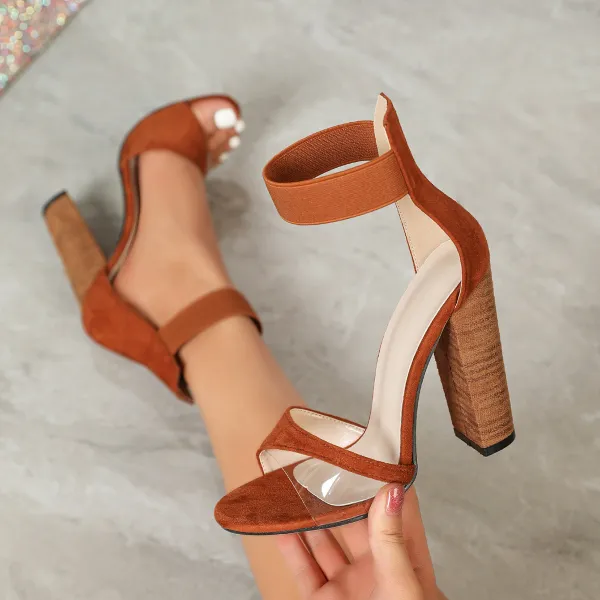
The wholesale shoe market is undergoing significant changes, driven by consumer demand for sustainability, comfort, and personalization. For retailers, staying informed about these trends is essential for making strategic purchasing decisions and maintaining a competitive edge.
By understanding regional market differences, consumer demographics, and emerging technologies, retailers can better align their inventory with market demands. Building strong relationships with suppliers that share their values and priorities is also crucial for long-term success.
For a wide selection of wholesale shoes that reflect current market trends, explore the extensive collection available through reputable suppliers. Whether you're looking for popular categories like wholesale sandals and wholesale boots, or specialized options like wholesale house slippers, staying attuned to market trends will help you make informed purchasing decisions.
By adapting to these trends and implementing strategic changes, retailers can position themselves for success in the evolving wholesale shoe market, meeting consumer demands while driving business growth.


Comments
Post a Comment