The Ultimate Guide to Launching Your Own Denim Line with Custom Denim Jeans and Custom Jackets
Building your own denim line has never been more exciting or more accessible. With the rise of small-batch manufacturing, digital design tools, quick-turn suppliers, and the growing global appetite for authentic, personality-driven brands, new designers can finally compete with major labels. Whether you're dreaming of launching a boutique collection, an online streetwear brand, or a premium capsule of made-to-order pieces, custom denim is the best foundation you can choose. It offers individuality, creativity, scalability, and a timeless appeal that no other fabric delivers. This guide explores everything you need to know about creating your own denim brand—from shaping your story to designing custom jeans and custom denim jackets, choosing the right fabrics, working with manufacturers, and building your identity in a crowded market.
Denim has always been rooted in culture, rebellion, and self-expression. Unlike many fashion materials that fade in and out of popularity, denim rearranges itself for every era. It transforms with its wearer. It absorbs life, movement, memories, experiences, and personality. That’s why modern consumers, more than ever, are seeking denim that feels like it was crafted for them and not mass-produced for the anonymous crowd. This cultural shift makes custom jeans and custom denim jackets perfect focal points for a distinctive brand because they allow shoppers to feel seen, recognized, and connected to what they wear.
Understanding What Makes Custom Denim So Powerful
Every successful brand begins with a powerful foundation. For denim labels, that foundation is customization. With custom jeans, designers are no longer limited by preset silhouettes or washes. They can reimagine proportions, experiment with rising trends, and deliver a perfect combination of style, fit, and comfort that appeals to specific audiences. The same is true for custom denim jackets, which are perhaps the most expressive canvas in modern fashion. Jackets can be oversized, cropped, hand-distressed, layered with patches, embroidered, printed, stonewashed, or even blended with other fabrics for a hybrid luxury streetwear look.
Then there are custom denim shorts, a warm-season favorite that helps brands keep their collections relevant year-round. Shorts are essential to a complete denim line and allow emerging labels to offer affordable entry-level pieces for new customers. Since shorts require less fabric and simpler construction than full-length jeans, they’re often the easiest and cheapest item for new designers to start with.
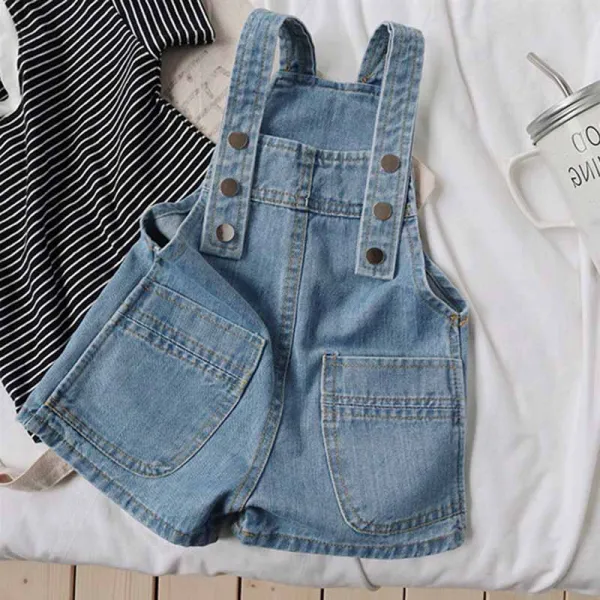
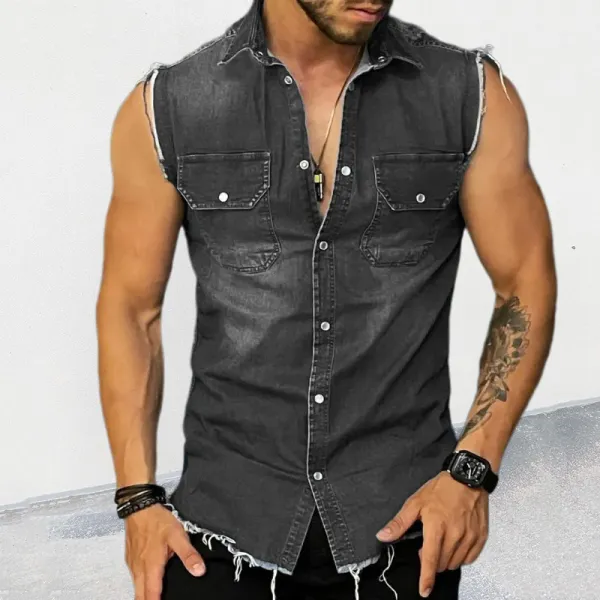
But denim customization isn’t only about aesthetics—it’s also about inclusivity. Custom men denim, for example, lets you serve male customers who want better fitting options, modern silhouettes, or rugged workwear styles. At the same time, custom kids denim allows your brand to reach families looking for practical, durable, and adorable pieces that can withstand playtime and daily activity. When executed correctly, custom denim pieces for children become a strong revenue stream and allow your brand to expand across multiple age categories.
Customization empowers designers to create identity-driven fashion. It builds loyalty, increases the perceived value of each product, and sets your brand apart from mass-produced retailers. It also opens the door to storytelling—something every modern brand must master to survive.
Defining Your Denim Brand’s Identity
The spirit of your brand comes before any design. What story are you telling? Who will wear your pieces? Why should they choose you instead of an established mainstream denim label?
A strong identity is built by answering these questions honestly. A denim line can revolve around sustainability—using organic cotton, recycled fibers, or eco-friendly indigo dyes. It can revolve around craftsmanship—hand-distressing, vintage-inspired silhouettes, artisanal stitching, or limited-edition production runs. It can also revolve around lifestyle or subculture: streetwear, skater fashion, Western Americana, avant-garde minimalism, gender-neutral basics, or high-end luxury.
Even your approach to custom jeans can define your brand. Some brands focus on experimental shapes like wide-leg, balloon, or ultra-high-rise silhouettes. Others prioritize comfort and inclusivity, offering extended sizing and adaptive features. Some create technical jeans designed for travel or movement. And others allow customers to personalize their denim with embroidery, patches, colors, and fit adjustments during the purchase process.
Your brand identity should shape every part of your future collection: your fabrics, your fits, your stitching colors, your zipper hardware, your pockets, your wash style, and your visual storytelling. It should guide the tone of your website, your packaging, your photography style, and your social conversations.
This clarity ensures your custom denim jackets, custom jeans, custom denim shorts, and all other pieces create a consistent message that resonates emotionally with your audience.
Designing Your First Denim Collection
Once your identity is in place, your next step is to design your first capsule collection. Start small—four to eight well-crafted pieces are enough to introduce your brand to the world. Each item must reflect your story while showcasing your design skill.
Begin with the classics. Custom jeans are the foundation of nearly every denim label. Consider starting with two or three silhouettes: one signature style that represents your brand philosophy and a few supporting styles that complement it. Pay attention to details such as rise, waistband shape, pocket position, stitching type, rivets, zipper quality, and hem style. Denim connoisseurs notice everything.
Then move on to custom denim jackets, which allow more artistic freedom. Jackets can be oversized and slouchy, fitted and structured, cropped and bold, or vintage-inspired with fading and abrasions. They offer large visual surfaces for branding techniques such as embroidery, appliqué, prints, laser etching, or leather patches.
Next, design warm-season or transitional items like custom denim shorts. Shorts give your brand a chance to show a playful or youthful side. They can be distressed, frayed, high-rise, low-rise, tailored, loose, or embellished. Many brands also offer matching sets—jackets paired with shorts—to increase the perceived value of the collection.
Finally, remember that category expansion strengthens your long-term potential. Include custom men denim and custom kids denim early if you plan to build a family-focused or gender-inclusive brand. Some designers create men’s and kids’ versions of their main pieces from the beginning; others expand later once the core women’s or unisex line succeeds.
The most important part of design is creating pieces that feel unique yet wearable. Customers love originality, but they also want comfort, durability, and practicality. Strike a balance between creativity and usability.
Choosing the Right Fabrics and Washes
Fabric selection is one of the most important aspects of creating a denim brand. High-quality denim feels different—structured yet soft, breathable yet durable, sturdy yet flexible. Every designer must understand the basics:
-
Weight: Lightweight denim (8–10 oz) is great for summer pieces like custom denim shorts and kidswear. Medium-weight (11–13 oz) is ideal for custom jeans, offering comfort and structure. Heavy denim (14–16 oz or more) appeals to enthusiasts who appreciate raw, rigid, long-lasting material.
-
Stretch: Stretch denim (1–3% elastane) works beautifully for skinny or fitted styles. Rigid denim is perfect for heritage-inspired designs and custom men denim.
-
Composition: Organic cotton, Tencel blends, recycled fibers, and selvedge denim all contribute different textures and brand values.
-
Washes: Light wash, dark wash, black, acid, stonewash, vintage fading, whiskering, hand-sanding, bleaching, enzyme treatments, and over-dyes create personality and mood.
A single wash can transform the entire design narrative. A pair of custom jeans in raw dark indigo evokes craftsmanship and tradition, while the same silhouette in a heavily distressed wash feels rebellious and street-ready. Custom denim jackets in cream, gray, or colored denim open the door to fashion-forward experimentation.
Washes also influence cost, so balance your artistic vision with your price strategy.
Finding and Working with a Manufacturer
Your manufacturer is your most important long-term partner. The quality of your denim, your ability to scale, your margins, and your customer loyalty all depend on choosing the right production team.
Look for factories that specialize in denim, as the construction process requires skill and advanced machinery. The manufacturer should be able to produce custom jeans, custom denim jackets, custom denim shorts, and ideally custom men denim and custom kids denim under one roof to maintain consistency.
Key qualities to look for include:
-
Sample development capability
-
Flexible minimum order quantities (MOQs)
-
Transparent pricing
-
Strong communication
-
Ability to source diverse fabrics
-
Modern washing and distressing technology
-
Ethical labor practices
Start with small batches. A run of 30–100 pieces per style allows you to test demand without overspending. Once you know which pieces your customers love, you can increase quantities and reduce cost per unit.
Build a close relationship with your supplier. Share your brand vision, references, sketches, and fabric preferences clearly. Good manufacturers will often give helpful suggestions based on their experience with what works and what fails. Trust this feedback—they’ve seen countless brands succeed and fail.
Creating Custom Details That Elevate Your Brand
Customization is where your creativity truly shines. You can elevate your custom jeans or custom denim jackets by designing signature components that customers immediately associate with your brand.
Some designers create unique pocket shapes, such as asymmetrical cuts or angled openings. Others use contrast stitching in recognizable patterns. Leather patches, embroidered logos, laser engravings, and distinctive hardware designs (buttons, rivets, zippers) can significantly increase perceived value.
Even the inside of your garments matters. Custom inner labels, printed pocket bags, hidden messages, and contrasting linings allow you to tell your story in subtle ways. Customers appreciate thoughtful detail, and they will share these discoveries on social media, offering organic promotion for your brand.
Developing Your Brand’s Visual Identity
The visual identity of your denim brand shapes how customers perceive your products before they even try them on. This includes your brand name, logo, color palette, photography style, website design, social media aesthetic, and packaging.
A denim brand should feel cohesive. If your custom denim jackets are vintage-inspired, your visuals might include film-style photography, neutral tones, textured backgrounds, and typography reminiscent of classic Americana. If your brand leans toward futuristic streetwear, you may choose metallic accents, bold contrast, and graphic-heavy visuals.
Photography is especially crucial. Denim is tactile; customers want to see how your custom jeans drape, stretch, wrinkle, and reflect light. Show close-up shots: stitching, hems, zippers, pockets, textures, and washes. Show your garments on diverse models. Show real-life movement—walking, bending, sitting—to help customers see how the denim behaves.
Packaging also matters. Even economical packaging can feel premium with thoughtful design. Simple kraft boxes, recyclable mailers, branded stickers, or minimal dust bags can enhance the unboxing experience.
Setting Your Pricing Strategy
Successful denim pricing balances labor, material, washing, branding, packaging, shipping, marketing, and profit. Before setting prices, understand your market. Are you selling premium pieces or affordable everyday essentials? Are you targeting fashion lovers, streetwear fans, families, or denim enthusiasts?
Denim customers generally fall into three categories:
-
Entry-level buyers: Seek good value and durability. Ideal for simple custom denim shorts or basic custom kids denim.
-
Mid-tier customers: Look for better quality, thoughtful design, and good fit. Most custom jeans and custom men denim fall here.
-
Premium buyers: Appreciate craftsmanship, limited editions, selvedge denim, and hand-finished details. Custom denim jackets and artisanal denim pieces often fit this category.
Price each garment proportionately. Jackets generally cost more to produce due to fabric usage and complex construction, so their retail price will also be higher. Shorts, on the other hand, have a lower cost base and can serve as your entry-level item.
Building an Online Presence and Marketing Strategy
A denim brand thrives on storytelling, visual emotion, and authenticity. Today’s consumers don’t just buy clothes; they invest in the narratives behind them. This is especially true for custom jeans and custom denim jackets, which often become personal favorites because of their uniqueness.
A strong online presence begins with your website. Your homepage should immediately communicate your brand identity—photography, layout, typography, and messaging all play a part. Your product pages should showcase high-quality images, detailed descriptions, fit notes, fabric information, and styling suggestions.
Social media is where your brand personality truly grows. Behind-the-scenes content, factory visits, washing and distressing videos, denim care tips, sketches, mood boards, customer styling photos, and limited-edition announcements help build community and engagement.
Influencer partnerships are also a powerful way to expand your reach. Instead of focusing on follower count, choose influencers whose style genuinely matches your brand. A single well-styled photo or video of your custom jeans can generate more interest than weeks of paid ads.
Launching Your Denim Line
When you’re ready to launch, create excitement. Share teasers, close-up shots, videos of your manufacturing process, storytelling posts about your design journey, and glimpses of your logo or packaging. Building anticipation is essential.
Your launch collection should feel cohesive, polished, and distinctive. Whether it includes custom men denim, custom kids denim, or focuses on your core custom jeans and custom denim jackets, every piece should reflect the heart of your brand.
Once your line is released:
-
Encourage customers to tag you on social media
-
Offer early-bird discounts or limited-edition designs
-
Run giveaways to increase engagement
-
Partner with micro-influencers
-
Attend local pop-up events if possible
Every sale, even the first small batch, is a big milestone. Celebrate your progress and keep gathering customer feedback.
Scaling and Expanding Your Brand
As your brand grows, use customer insights to shape your next steps. Listen to what pieces they love most—your custom denim shorts might surprisingly become your best seller, or your signature custom men denim could attract a strong male audience. Use this information to refine your offerings.
Scaling doesn’t mean producing more styles; it means producing smarter. You can:
-
Introduce new washes
-
Offer seasonal variations
-
Add matching sets
-
Expand sizes
-
Develop a premium line
-
Launch limited-edition collaborations
Eventually, you may also branch out into accessories, tops, or outerwear beyond denim. But your foundation—custom jeans and custom denim jackets—should remain the core identity of your label.

Creating your own denim line is a journey filled with passion, creativity, and limitless opportunity. Denim is more than fabric; it’s cultural history, artistic expression, and personal identity woven together. Whether you’re crafting custom jeans with signature stitching, designing statement-making custom denim jackets, building playful seasonal options like custom denim shorts, or serving diverse audiences with custom men denim and custom kids denim, every decision you make shapes your brand’s legacy.
Your denim line has the power to inspire confidence, celebrate individuality, and bring something truly meaningful to the fashion world. All you need is a clear vision, the right partners, and the courage to bring your ideas to life. If you stay authentic, prioritize quality, and never stop experimenting, your denim brand will not only attract buyers but create a loyal community that believes in your story.


Comments
Post a Comment